


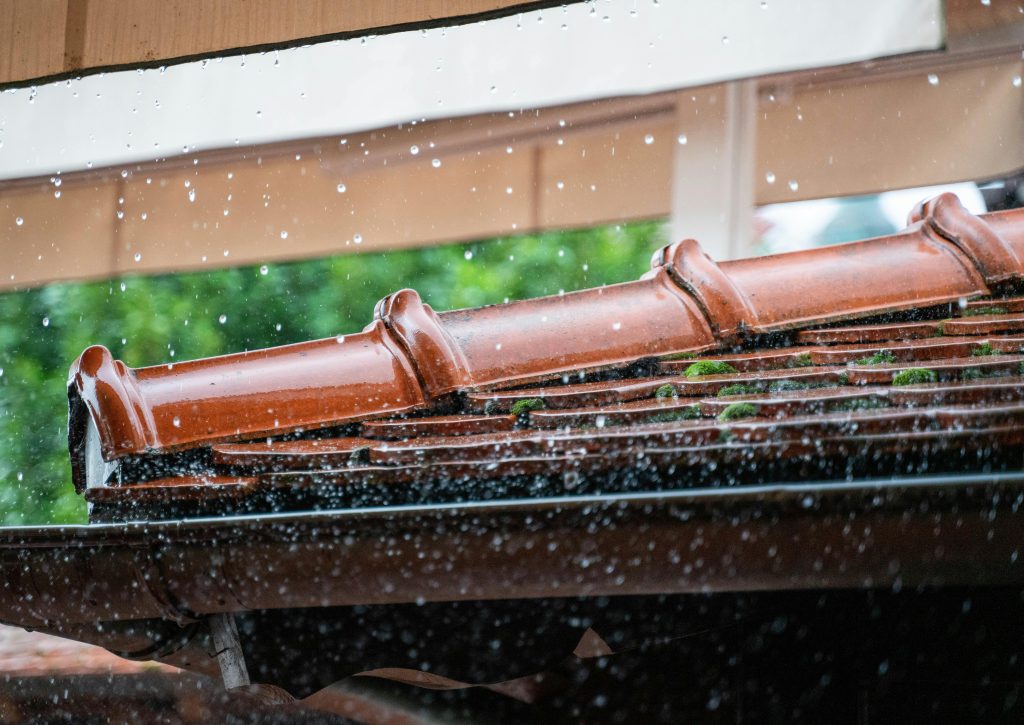
Heavy rain can quickly overwhelm a home’s drainage system, especially if gutters are already filled with leaves, dirt, or roof debris. That is why many homeowners ask Do gutter guards actually prevent clogs from heavy rain before investing in a solution.
Gutter guards are designed to reduce debris buildup and improve water flow, but their performance depends on the type of system, installation quality, and local weather conditions.
According to the U.S. Federal Emergency Management Agency (FEMA), poor drainage and clogged gutters are a leading cause of preventable water damage during heavy storms, including roof leaks and foundation flooding.
What Gutter Guards Are Designed to Do
Before answering Do gutter guards actually prevent clogs from heavy rain, it helps to understand their purpose.
Gutter guards are protective covers that sit over or inside gutters to:
- Block leaves and large debris
- Reduce clogging from twigs and dirt
- Allow rainwater to flow through small openings
- Minimize how often gutters need cleaning
They are not completely maintenance-free, but they reduce buildup significantly.
How Gutter Guards Perform in Heavy Rain
In normal rain, gutter guards generally work well. But heavy rain introduces extra challenges.
During intense rainfall:
- Water flows at higher volume and speed
- Roof runoff may exceed guard capacity
- Debris can still collect on top of guards
- Poor-quality guards may overflow
So when asking Do gutter guards actually prevent clogs from heavy rain, the answer is partially yes, but not always fully.
Types of Gutter Guards and Their Effectiveness
Performance depends heavily on the type of guard installed.
Common types include:
- Mesh screens: Good for blocking debris, moderate rain handling
- Reverse curve systems: Designed to direct water while shedding debris
- Foam inserts: Easy installation, but can clog over time
- Micro-mesh systems: Best filtration and strong rain performance
Higher-quality micro-mesh systems tend to handle heavy rain better than basic covers.
When Gutter Guards Work Well
Gutter guards are most effective when:
- Gutters are properly sized for roof runoff
- Installation is done correctly with proper slope
- Regular maintenance is still performed
- Debris load is moderate
In these conditions, they significantly reduce clogging risks.
When Gutter Guards Struggle in Heavy Rain
There are situations where they may not fully prevent issues.
Problems can occur when:
- Rainfall is extremely heavy or sudden
- Roof valleys concentrate too much water flow
- Debris sits on top of guards and blocks entry
- Cheap or poorly fitted systems are used
This is why Do gutter guards actually prevent clogs from heavy rain does not have a simple yes or no answer.
Maintenance Is Still Required
Even with gutter guards, maintenance is still necessary.
Homeowners should:
- Rinse or brush off debris on top of guards
- Inspect gutters after major storms
- Check for overflow or pooling water
- Ensure downspouts remain clear
Gutter guards reduce work, but they do not eliminate it completely.
Benefits Beyond Clog Prevention
Even if they are not perfect in heavy rain, gutter guards still offer benefits:
- Less frequent gutter cleaning
- Reduced risk of pests nesting in gutters
- Better long-term water flow consistency
- Protection against large debris buildup
These advantages make them useful in many climates.
Final Thoughts
So, Do gutter guards actually prevent clogs from heavy rain? The answer is that they significantly reduce clogs and improve water flow, but they are not completely foolproof during extreme rainfall.
Their effectiveness depends on the type of guard, installation quality, and maintenance routine. For most homes, they are a helpful upgrade, but they work best as part of a complete gutter maintenance system rather than a standalone solution.